Thursday, 25 February 2016

Number 31 - Kwao Krua

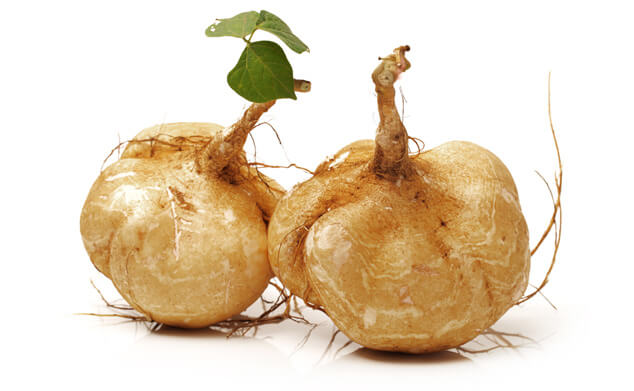
Pueraria mirifica, translates to "wonderful child", also sometimes known as Kwao Krua, is a native Thai herbal medicine. This particular variant is the White Kwao Krua.

The myths and mystery behind the herb date back to 13th Century AD. Instructions hidden within a buddist temple told of benefits including being able to enhance your memory, improve skin conditions, improve youthfulness including extending life span,

However, one thing for sure about this plant, is it contains a lot of chemicals called phytoestrogen. What these chemicals do is mimic our own estrogen and create effects of the same nature within our bodies. These would make the herb beneficial for stablising mood swings, easing menopause, and encouraging hormonal changes in male-to-female (MTF) trans individuals. This herb has also been discussed as a natural breast enlargement.

As with estrogen replacement, do not take this herb if you are at risk of breast and uterine cancers.

Credit: http://cheekyphysique.com/

Thursday, 18 February 2016

Hello, World. Part II.

Hello! Now, I know it's been five years since I last updated, but so much has gone on since then. I left my course at University to focus on improving myself. I loved learning about herbal medicine, but my anxiety left me at a loss. Now I'm working as a games tester, which is a really cool job I must say, but I am missing my old subject.

Young Herbal never really did take off. I never got round to writing properly. I wanted to rewrite all the posts and I never really had time before.

There's going to be a big tidy up of the blog. I'm going to be revamping the posts and updating them with the new things I have learnt going to University. I will also be creating a bibliography for all my books I use on the blog.

Now I hope my followers are with me here. It's been a long time, I know, but I hope to get posting again. I've found some really cool plants I want to share with you all!

Take care, and I hope time has been kind over these past few years,

Herbie x

Tuesday, 3 January 2012

My new herbal blog!

Hey guys. I know I mentioned last time that I was considering starting a new herbal blog. Well, I am going to. It's called Young Herbal and will be about the politics and news in the herbal community in the UK. I would really like to go back over the herbs I wrote about, but from writing essays about herbs, I feel like I couldn't stop writing about a single herb. I would give myself too much work, and I study herbs everyday. It's really horrible to think I've done that all day, and I'll have to come home and write about it. With my new blog, I can  write about the regulations and the news and issues that I need to sort my opinions on. I hope you will check it out. Unfortunately it's a Tumblr, but nevermind.

This is my new herbal blog... Young Herbal.

Thank you very much for the support and I felt what it felt like to run a mildly successful blog. I hope to repeat my success and I hope I can interest you in looking at my new blog. Thank you again, you were lovely viewers.

Thank you so much.

All the best.

Herbie xxx

EDIT: Hello! Young Herbal has been retired, and I'll be posting here once again! Thanks for your viewership!

Friday, 18 November 2011

I'm sorry!

I've had whooping cough and so have not been able to update recently, or begin updates at all.

Shame really. I'm tempted to give up on the blog... idk, just getting a bit bored.

Or I may change the title of the blog to something like Herbies' Adventures or something. To those new to the blog, I study Herbal Medicine at Uni. So I am tempted to make the blog more generally about that. May even start a vlog.

Suggestions?

Thursday, 13 October 2011

Updates!

Hey all,
I'm currently at University studying Herbal Medicine. I want to thank you for all the support you guys have given me even though I rarely post now. I'm going to set up some sort of schedule for myself for my homework, my social stuff, and the blog. I feel awful for not updating for such a long time, but what I want to do is to go over all 39 herb posts and update them, rewrite them better, check for any broken links or so forth. Again, thank you very much. I'm amazed I haven't lost any followers.

I may change the name of the blog to something herbal, but not purely about the herb of the day.

Much love!

Herbie.

Sunday, 14 August 2011

Number 29 - Aniseed

Anise, Pimpinella Anisum or Aniseed is a plentiful flavoured flower from the Apiacae family.

The smell and taste of the flower is sometimes overbearing, I know as a child I always found the taste to be very intimidating in the british sweet of aniseed balls. It is said to be a flavour similar to liquorice, fennel and tarragon. Medicinally, Anise can be used in relieving menstural cramps. It can also be used as a natural female hormone suppliment as it contains a type of estrogen. The plant has a calming effect, which could aid with stress and sleep issues. The essential oil can rid the head of headlice and clothes of mites.

When combined with blood, however, aniseed can cause high toxicity levels in the blood and possibily lead to death. Its oil can be harmful to an unborn child. Otherwise, the herb is pretty safe.

The plant is taken and eaten in many different ways around the world. It is often added to food as flavouring. As well as the popular British sweet, Aniseed can also be taken as a tea.


Yes, balls. Typical British. (Aniseed Balls are a traditional treat in the UK. These are branded Sweets 'N' Candy)

Thursday, 4 August 2011

Number 28 - Abyssinian Shrivelfig

The Abyssinian Shrivelfig is a fictional plant from the Harry Potter series. It's Latin name could be Ficus Resilio, meaning 'Shrinking Fig'.

The fig holds shrinking qualities, which is why it is used in Shrinking Solutions. This potion has the ability to shrink the drinker into a infant form, and also works on animals and items. Neville's batch of Shrinking Potion also turns his toad into a tadpole, showing the age reversal techniques in animals.

The colour of the solution is important in indicating the safety of the mix: if the solution is green, it is drinkable. However, if it is orange, it is poisonous. This explains why the potion is only brewed by third years at Hogwarts.

(A successfully brewed Shrinking Potion. Image from one of the Harry Potter video games. Shrivelfigs and other content in this post is the creation of J.K. Rowling)

Wednesday, 3 August 2011

Number 27 - Fireweed

Also known as  Rosebay Willowherb, Epilobium angustifolium has sprung up all over the UK this summer.

The plant has also been known as bombweed, due to the sudden rise in population of the plant next to railways and in craters made by bombs in World War II. The plant is also known in Scotland as Singerweed, due to its sprouting of the plants on the bombed land of the Singer Sewing Machine Factory.

The plant's shoots can be eaten as an addition to salads, and if preserved, contain Vitamin C and Pro-Vitamin A. It's leaves can be used to make Kapoori/Kaporie/Kapor tea. In North America, Fireweed jelly, sweets and ice cream are popular treats. Rosebay is taken to ease stomach and digestion issues, such as cramps and diaherra.

However, even though the shoots of the plants can be eaten like asparagus, they are incredibly bitter, and are an aquired taste.

Rosebay can be taken as Kapoori Tea, in salads, or as pills and tinctures.

(A jar of Alaskan Fireweed Jelly. Would you eat this with PJ? Product of Alaska Pure Berry)

Saturday, 23 July 2011

Number 26 - Potato

We're all accustomed to the root vegetable of the Solanum tuberosum, but we may not all know about it's benefits to our health.


The potato contains fiber, vitamin C and potassium, all which are essential to a healthy diet. The potato can also be made into a paste for First Aid treatment of sunburn, burns and scrapes, as a potatoes' starch will draw the heat out the injury.


As potatoes are a member of the same family as Deadly Nightshade, the plant itself and the plant's fruits are toxic, and potatoes do become poisonous over time and turn green. Dispose of any green potatoes and cook them well. 


The potato can be used in stews and as a meal by itself. It can also be turned to the paste to treat external injuries. Jacket potatoes contain the most vitamins compared to boiled and peeled potatoes.

The popular Russet Potatoes are also nutritiousness and can be used in first aid treatments. (Product of Green Giant)

Thursday, 21 July 2011

Lectures and Plants Vs. Zombies!

Crikey its been a long time! I'm sorry my followers, after my exams finished, I went out and did a lot of partying. I've very much neglected my blog and it needs some loving.

The first thing which distracted me from doing anything constructive, such as looking for a summer job or indeed updating the blog, is the Popcap video game Plants vs. Zombies. Being a lover of all plants being useful for things, I have really enjoyed the game so far. I completed Adventure Mode and I'm trying to get my Zen Garden producing some good moolah.

Adorable plushies I need in my life. I wish these dropped coins...

- I apologise, I've deleted my notes as there was a lot of identifying information on my time at University here. As I left Uni, I would no longer like this information available online. Sorry! -

I really enjoyed my weekend in Lincoln. It is a beautiful city. Although it has a lot of swans. I am going to the university in September to study Herbal Medicine. I can't wait!


Tuesday, 7 June 2011

#1 - #25 Recap

I feel the need to recap all the herbs so far on the blog in order to educate any new readers on the herbs I have covered. I will provide links to each post, which goes into further detail about each.

1. Chamomile. A relaxing herb. Popular as a tea.

2. Horny Goat Weed. A natural aphrodisiac.

3. St. John's Wort. An anti-depressant.

4. Devil's Snare. A deadly plant from the Harry Potter series.

5. Deadly Nightshade. A deadly plant with a strange past use.

6. Siphilium. An ancient plant, rumoured to be the origin of the heart symbol.

7. Dandelion. A common weed with surprising uses.

8. Lily of the Valley. A common perfume with the elderly, with some potential for fertility help.

9. Green Tea. Good for the soul!

10. Marsh Mallow. The origin of the popular sweet.

11. Daffodil. Dementia destroyer!

12. Meadowsweet. Helps soothe flu symptoms.

13. Ginger. The anti-nausea herb.

14. Rosehip. Used in WW2 as a source of Vitamin C.

15. Lavender. A sweet smelling plant.

16. Arnica. Used in treating a number of skin aliments.

17. Tumeric. Popular in Indian dishes.

18. Burdock. A part of the popular drink, Dandelion & Burdock.

19. Vanilla. The tastiest of all the ice-creams!

20. Henna. Popular in skin decoration.

21. Hops. Useful outside of beer!

22. Honey. It is a herb - plant extracts!

23. Witch-Hazel. Good for many skin conditions.

24. Blueberries. A tasty treat with many benefits.

25. Kava. The 'anti-energy' herb.

My next post may be either about cranberries or Plants vs. Zombies plants. I'm obsessed with that game! I apologise once again for how less frequent posts are becoming. By the end of the month, I will have completely finished college, and so can concerntrate on the blog completely.
Wednesday, 1 June 2011

Number 25 - Kava

Piper methysticum, kava, or kava-kava is the plant of discussion today. The plant is often used for religious and social purposes in countries such as Fiji and Tonga.

Kava can be used for sore throats or tooth ache, as it has a numbing effect. It is also used in a cola called Kava or Lava cola, and is marketed as an 'anti-energy' drink, providing a relaxing feeling rather than the boost energy drinks give.

Plant use has been known to cause certain adverse effects such as liver damage, but it is undetermined whether this is from the plants or how extracts of the plant are taken with use of various chemicals. Overuse of the plant can also cause skin rashes.

Kava can be taken in capsules, in cola or as a tea.

Kava Cola (Source Unknown)

Saturday, 28 May 2011

Number 24 - Blueberry

Today's 'herb', even though we'll be looking at the health enhancements of the berry from Vaccinium plants, is the blueberry.

There are many different berries sold as 'blueberries', these can be bilberries, huckleberriesor many different berries from different blueberry plants. The blueberries themselves have some anti-inflammation properties and can protect against cancers. Blueberries can help ease uninary tract infections, and due to their properties in enhancing memory, are considered important in helping Alzheimers. Blueberries can also help ease depression. As well as the many nutrients present in the berry, it helps the body in both the digestive tract, the heart and even the eyes, helping reduce the risk of blindess.

The only risks from blueberries are that if you eat too many at once, it may conjour diaherra. The blueberry is also a diuretic, which means it increases urine flow.

Blueberries can be eaten in multiple forms: jam, pies, raw, in salads, or even as extracts.


Blueberry extract. (Product of LifeExtension)

Friday, 27 May 2011

Number 23 - Witch-Hazel

The genus Hamamelis is the plant Witch-Hazel.

The main use of witch-hazel is to help reduce bruising in the skin in a similar manner Arnica does. The plant is also used in treating acne and haemorrhoids. It is used in aftershaves and insect bite treatments. It also helps with skin conditions, like dry skin and eczema.Gargling Witch-Hazel tea can help with inflammations of the mouth and throat, and drinking the tea can help with inflammations of the whole digestive system.

Too much or too frequent, Witch-Hazel can cause nausea. Pharmacy bought Witch-Hazel often contains medical alcohols, which mean it is inappropiate for digestion.

Witch-Hazel can be bought as an ointment or cream for external use, and tea for internal use.


Witch-Hazel flower.


PS: I apologise for the lack of posts, I've had alot of work to do for college, and I'm afraid lack of posts may continue until the end of June. Thanks for reading!

Sunday, 22 May 2011

Number 22 - Honey

In herbalism, anything natural can be used. As honey is technically an extract of nectar from many different plants, it is a mix of bee and plant produce.

In Hinduism, it is considered an 'elixir of immortality'. It has many uses due to its antiseptic and antimircobial properties. It has also been theorized that honey and its properties could help cure MRSA. Honey can be used to help burns and cuts heal faster, and to help common ailments such as coughs, colds and sore throats be cured using honey. If you're interested in using herbs in First Aid, honey is an important addition.

In hives of bees in areas which poisonous plants grow, the honey can be toxic to humans but not bees. This honey is usually only found in the wild, and would not be produced under commercial supervision. With the many medicinal properties of plants, there are also many that can harm us in numerous ways. NEVER take honey from the wild; you don't know where those bees have been!

It is taken in many, many different manners. It can be used in a culinary manner, to sweeten herbal teas, and it can also be used as a wound dressing.

The humble honey teddy bear, a popular honey bottle design in the US. (Unknown source)

Tuesday, 17 May 2011

Number 21 - Hops

Humulus lupulus contains a hop flower cluster which are usually used to brew beers and ales with many surprising health effects.

Benefits from taking hops include soothing the spasms of irritable bowel syndrome. They can also be included in creating a pillow to help with insomnia. The herb creates 'brewers droop' in men; decreasing libido in men but increasing it in women. Hops also control hot flushes in women and premature ejaculation in men.

There are possibilities of dermatitis when harvesting the plant. Do not take hops when suffering from depression, or on any birth control as it affects the menstrual cycle.

Hops can be taken as a tincture or made into a pillow. The herb is not as effective when taken in beer.

Hops tincture. (Source: Terra Firma Botanicals)

Sunday, 15 May 2011

Number 20 - Henna

The plant Lawsona inermis is popular in dyes.

Henna is used in creating paint for the purpose of decorating the skin. This is mainly popular in Indian weddings. Henna can be used in dying the hair a gingery-red colour.

A form of 'henna' called black henna when applied to the body can cause scarring and permanent damage to the skin if applied. Natural henna does not harm the skin.

Henna is usually applied as a paste or gel.

Henna paste for decorating the skin. (Source unknown. Product of Ranikone)

Friday, 13 May 2011

Number 19 - Vanilla

Taken from the genus Vanilla, an Orchid subgenus.


Vanilla pods are very popular in cooking. They hold a sweet smell. In old wives tales, they were said to be good for sexual drive and a remedy for fevers. Although these methods have never been proven, the extract can increase levels of adrenaline being released into the body.

97% of all vanilla used is imitation vanilla due to the expense of real vanilla. This chemical will not give the exact same health effects or the same scent. It is claimed to not taste as nice, either.

Vanilla is popular in ice cream. It is also popular in deserts, perfumes and in aromatherapy.

Vanilla pod & flower.

Number 18 - Burdock

This article is about the genus Arctium.

The texture of the Burdock seeds and how they latched onto clothes inspired the production of velcro. It is a part of the traditional soft drink Dandelion and Burdock. Extracts from the plant can be used to treat the scalp for dryness and dandruff, and generally increases hair health.

Pregnant women should not use or ingest burdock due to studies which suggest it can induce labour. It's roots resemble that of deadly nightshade, therefore you should never attempt to ingest in the wild.

Burdock can be eaten by itself, or in a tea or drink. Can be applied as a shampoo or a conditioner.


Burdock Flower

Wednesday, 11 May 2011

Number 17 - Turmeric

From the ginger family, Curcuma longa is a culinary spice.

Tasty in chicken dishes, it also has anti-inflammitory uses, and is mainly used in Ayurvedic Herbal Medicine. It is also used as a fake tan in India. Research into the plant has shown possibilities in interfering with the herpes virus and some tumours.

There are no apparent health risks with eating Turmeric, except for large doses causing nausea and diarrhea.

The spice can be taken in tablet form or as added to a meal.

Turmeric Root.