Friday, 13 May 2011

Number 18 - Burdock

This article is about the genus Arctium.

The texture of the Burdock seeds and how they latched onto clothes inspired the production of velcro. It is a part of the traditional soft drink Dandelion and Burdock. Extracts from the plant can be used to treat the scalp for dryness and dandruff, and generally increases hair health.

Pregnant women should not use or ingest burdock due to studies which suggest it can induce labour. It's roots resemble that of deadly nightshade, therefore you should never attempt to ingest in the wild.

Burdock can be eaten by itself, or in a tea or drink. Can be applied as a shampoo or a conditioner.


Burdock Flower

Wednesday, 11 May 2011

Number 17 - Turmeric

From the ginger family, Curcuma longa is a culinary spice.

Tasty in chicken dishes, it also has anti-inflammitory uses, and is mainly used in Ayurvedic Herbal Medicine. It is also used as a fake tan in India. Research into the plant has shown possibilities in interfering with the herpes virus and some tumours.

There are no apparent health risks with eating Turmeric, except for large doses causing nausea and diarrhea.

The spice can be taken in tablet form or as added to a meal.

Turmeric Root.


Tuesday, 10 May 2011

Number 16 - Arnica

I'm sorry for my tardiness in blog posts, I have finals and lots of work to do up until the end of June. I will still be updating, but I'm afraid they won't be as frequent.

Arnica, or arnica montana, is a pretty daisy-like flower.

This plant is very useful in treating bruised, strained or sprained parts of the body. It has also been used in helping wounds heal.

However, the plant itself is poisionous if ingested in large amounts. Ironically, unprepared arnica plants can cause skin irritation.

It is used as a gel or as a tincture.

Commercial Arnica gel. (Source SBC. Product of SBC)

Saturday, 7 May 2011

Number 15 - Lavender

The genus Lavandula are sweet smelling purple flowers.


The scent of the plant is used in aromatherapy and can be used to treat issues with sleeping. The oil of the plant can be used as a dissinfectant, and was used for this purpose in WW1 hospitals.


However, the plant can caused harm if ingested during pregnancy and the breast-feeding period.


The flowers of the plant can be included in pillows and as pot pourri, as well as its scent being included in some sprays.


A Lavender pillow, soothing for bedtime. (Source Unknown. Product of Fairydown)

Wednesday, 4 May 2011

Number 14 - Rosehip

This fruit from plants of the genus Rosa.

Popular as a herbal tea, the hips provide a good source of vitamin C. During WW2 in Britain, the public were encouraged to make syrups out of rose hips so that their children could get the right vitamins when other sources (such as citrus fruits) were so scarce. It also has vitamins A and B, and has been used to treat arthritis, colds and flu.

Care should be taken if preparing the plants by ones' self, as the hips contain hair in them, which can be used as a form of itching powder.

Rose hip is most popular as a tea, but also can be given as a syrup.

Rosehip syrup (Source: Atkins and Potts. Product of Atkins and Potts.)

Tuesday, 3 May 2011

Number 13 - Ginger

The spice ginger, from the root of the plant Zingiber officinale, has many varried uses.

Ginger is popular when used in gingerbread and ginger cookies. In medicinal uses, the spice is used as help in easing nausea (especially that caused by motion sickness) and diarrhea. In treating motion sickness, the root is no more powerful than regular anti-nausea tablets, however they do not produce the same side effects as the regular medicines. There is also evidence for the spice effectively treating some forms of cancer.

However, when taking the root as a medicine, bare in mind that in similar manner to other herbs, they can interact with other medicines such as warifin. Ginger is not recommended for people with gallstones.

Ginger can be taken in foods, as a tea, or as tablets.

Some adorable gingerbread biscuits, one of the most popular Western uses of ginger (Source Unknown. I do not take credit for these gingerbread men)

Monday, 2 May 2011

Number 12 - Meadowsweet

After my vacation, I have returned to hopefully create more frequent posts. I may not be able to post daily due to upcoming exams however.


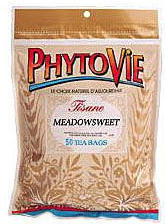
Filipendula ulmaria is used for its pleasant taste and smell in things such as wine and beer. It is a remedy for diarrhea. If the plant is prepared to be drunk as a tea, it helps soothe flu symptoms.


However, due to it's chemical make up which is similar to aspirin, it can induce symptoms of asthma.


As previously mentioned, it can be taken as a tea, the plant can be eaten as is, or it can be used as a pleasant pot pourri around the home.


Meadowsweet Tea. (Source Unknown. Product of Phytovie)